
Understanding Turloughs: Clare's Hidden Water Gardens
They appear and disappear with the seasons. We explain how these natural wonders work and where to see them.
What Makes Turloughs So Unique?
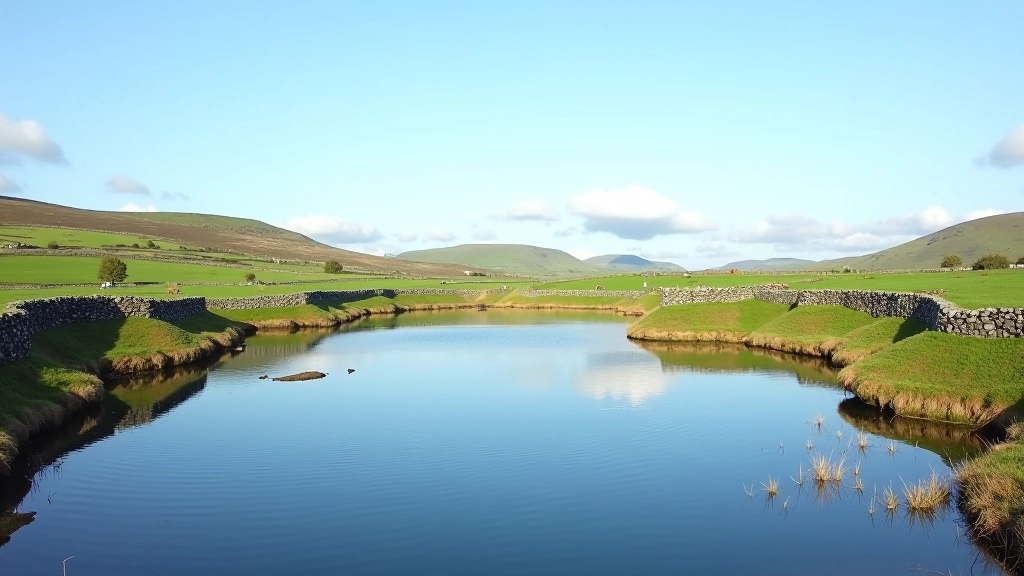
Turloughs aren't your typical lakes. They're temporary water bodies that fill and empty depending on rainfall and underground water levels. In winter and spring, they're sparkling blue mirrors. By summer, they've vanished completely, leaving behind lush green fields. It's like nature's own magic trick — and it happens reliably every year in the limestone landscape of County Clare.
The Burren region has more turloughs than anywhere else in Ireland. They're not rare or hidden away — you can see them from walking paths, from the road, and from quiet spots around Mullaghmore Loop. Understanding how they work adds a real depth to your visits. You'll start noticing the seasonal patterns, the wildlife that depends on them, and the geology that makes them possible.
How Turloughs Actually Work
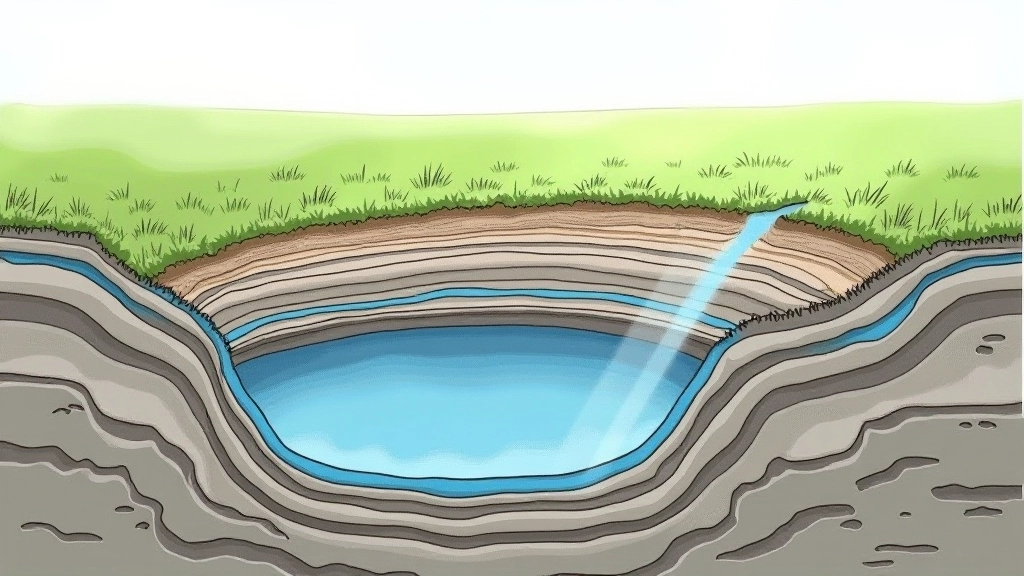
The secret lies beneath your feet. The Burren sits on limestone — porous rock that's riddled with underground passages, caves, and channels. When heavy rain falls, water seeps straight down through the soil and into these underground reservoirs. But here's where it gets interesting: the water table rises and falls with the seasons.
In winter and early spring, the ground becomes saturated. The water table rises so high it meets the surface in the low-lying fields. That's when turloughs fill. You'll see them brimming with water, sometimes 3 or 4 metres deep. But come summer, the water table drops again. Rainfall decreases. Water drains back underground through the porous limestone. The turlough simply vanishes — no waterfall, no dramatic drainage. It just slowly seeps away until the field looks completely dry again.
The limestone also acts like a filter. It keeps the water clean and cool. That's why turloughs support specialized plants and animals you won't find in regular ponds. Dragonflies, water beetles, and rare aquatic plants have adapted to this cycle. They've evolved to live in this unique environment — fill, flourish, then wait out the dry season.
The Seasonal Cycle Throughout the Year
Winter (Dec–Feb)
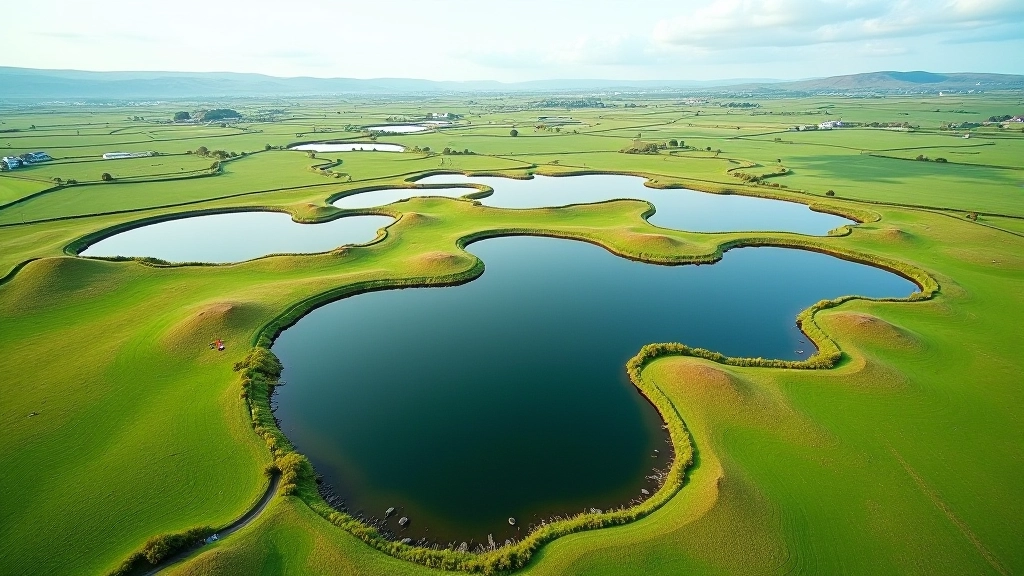
Heavy rainfall and cold temperatures mean minimal evaporation. Turloughs are at their fullest. Water depth reaches 2–4 metres in some locations. The landscape is transformed into a series of small lakes. It's actually the best time to spot them if you're exploring the Burren — they're impossible to miss.
Spring (Mar–May)
Rainfall continues but temperatures rise. Water levels start dropping — sometimes noticeably week by week. By late May, many turloughs are shrinking fast. You'll see muddy shorelines appearing. Wildlife activity peaks as birds nest and insects breed in the shallow water. The water's still cold but full of life.
Summer (Jun–Aug)
This is when turloughs disappear completely. The field becomes dry grassland. You'd never know water was there months earlier. Evaporation is high. Rainfall is low. The underground water table has dropped below the surface. It's the resting phase — the landscape looks normal, almost boring. But underground, the system's preparing for winter.
Autumn (Sep–Nov)
Rainfall increases. Evaporation decreases. The water table begins rising again. Turloughs start refilling — it's gradual at first, then accelerating. By November, they're noticeably wet again. You might see puddles appearing in the same fields where summer was completely dry. The cycle's turning. Winter's coming.
Where to See Turloughs in the Burren
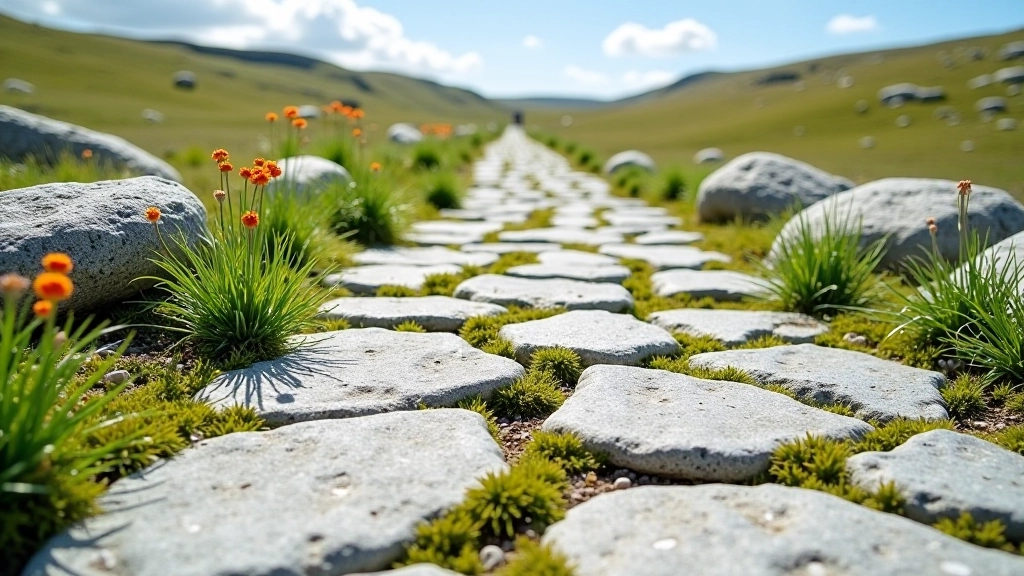
The Mullaghmore Loop is your best bet for turlough spotting. The 4-mile circuit takes you through classic limestone pavement country, and you'll pass or glimpse at least 2–3 turloughs depending on the season. The walk's gentle enough for most abilities, and there are plenty of places to stop and observe the landscape without rushing.
Winter's ideal if you want to see them full. Spring's good for watching them drain. Summer? You'll see the ghost of where they were — look for the flat fields that are slightly greener than surrounding areas. That's where the water table still influences the soil. Autumn's the transition month — you'll see them beginning to refill, which is genuinely fascinating if you understand the mechanism.
Don't expect dramatic scenery like you'd get at a waterfall. Turloughs are subtle. Their beauty's in the ecosystem, the seasonal rhythm, the quiet drama of water appearing and vanishing. Bring binoculars if you're interested in wildlife. The bird life around turloughs — especially winter waterfowl — can be exceptional. Sit quietly for 20 minutes and you'll spot more than if you're constantly moving.
Information Disclaimer
This article provides educational information about turloughs and limestone pavement geology. Specific water levels, seasonal timing, and ecological details can vary year to year based on rainfall patterns and climate conditions. For the most current conditions at any particular location, check local visitor resources or speak with guides familiar with the area. Always follow safety guidelines when visiting natural sites, particularly around water bodies, and be aware that terrain can be slippery when wet.
The Life That Depends on Turloughs
Turloughs support species found nowhere else in Ireland. The isolation of each turlough — separated from other water bodies — has created unique populations. Certain aquatic plants have evolved to complete their entire lifecycle in the time the turlough's full. They germinate underwater, flower, set seed, and prepare dormant spores before the water disappears. It's evolution adapted to this exact cycle.
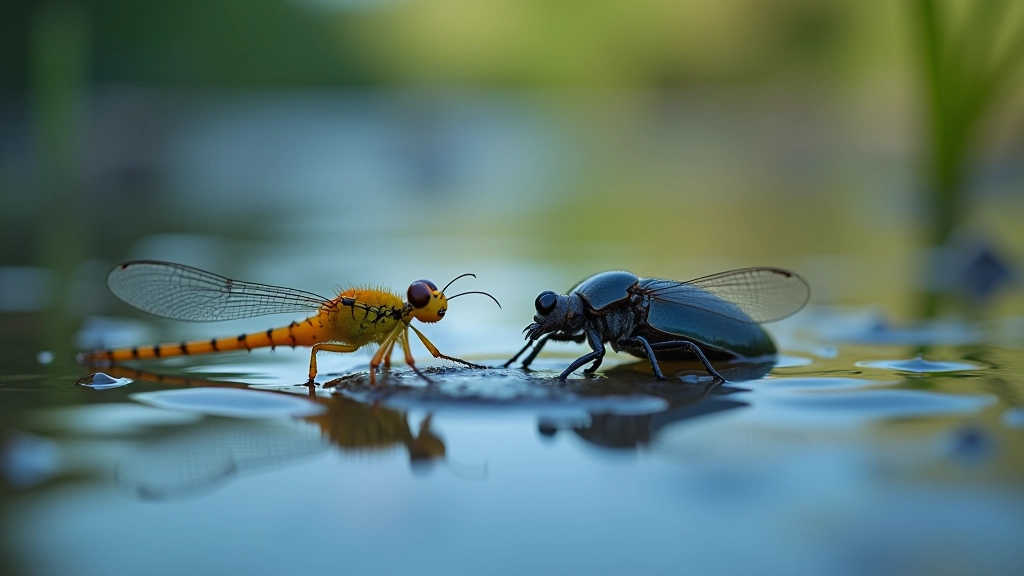
Dragonflies and damselflies breed in turloughs. Water beetles, diving beetles, and aquatic bugs have populations here. In winter, you'll see visiting waterfowl — pochard, teal, wigeon — feeding on the temporary lakes. They don't breed here, but they rely on turloughs as stopover points during migration. The system's essential to the Burren's ecological health, even though most people driving through never notice it.
That's part of why turloughs are protected. The EU's Habitats Directive recognizes them as a priority habitat. That protection ensures the cycle continues, the water stays clean, and the specialized species dependent on them can survive. When you're walking the Mullaghmore Loop and you spot a turlough, you're looking at a ecosystem that's been refined by thousands of years of this same seasonal pattern.

Related Articles

Understanding the Burren's Water Magic
Turloughs aren't flashy attractions. They won't blow you away with dramatic waterfalls or stunning vistas — though winter turloughs can be genuinely beautiful. What they offer is something deeper: a window into how landscapes work, how water moves through rock, and how entire ecosystems adapt to natural cycles. Once you understand them, you'll see the Burren differently.
The next time you're walking the Mullaghmore Loop or exploring the limestone pavement, take a moment to notice the fields. If you see water where you'd expect grassland, you're watching geology in action. If you see a field in summer and think "that's just empty ground," remember what lies beneath — an entire hidden system of water channels, a rising and falling water table, and the patient rhythm of a cycle that's been repeating for millennia.
That's the real magic of turloughs. Not that they appear and disappear, but that we can understand why. And once you do, every visit to the Burren becomes a lesson in how nature actually works.