Easy Routes for Seniors: What You Need to Know
Terrain types, how to prepare, and when to bring walking poles. Practical advice for comfortable exploration of the Burren.
Walking in the Burren at Your Own Pace
The Burren's limestone landscape offers some of Ireland's most rewarding walking. It's not all steep hills and rough terrain — there are plenty of gentle routes that let you take your time, enjoy the views, and come back feeling refreshed rather than exhausted.
We've spent years guiding walkers of all ages through these trails. The difference between a brilliant day out and a frustrating one often comes down to preparation. Knowing what to expect, having the right gear, and choosing routes suited to your fitness level makes all the difference.
4
Main terrain types to understand
30
Minutes of prep work before you go
2-3
Miles ideal for comfortable half-day walks
Understanding Burren Terrain
The Burren isn't one landscape — it's several different surfaces that you'll encounter on walks. Each one needs a slightly different approach.
Grass Paths
The easiest walking. Soft underfoot, generally well-defined, and forgiving. You'll find these on the approach to most routes. Watch for wet patches in spring and early summer — they can be slippery.
Limestone Pavement
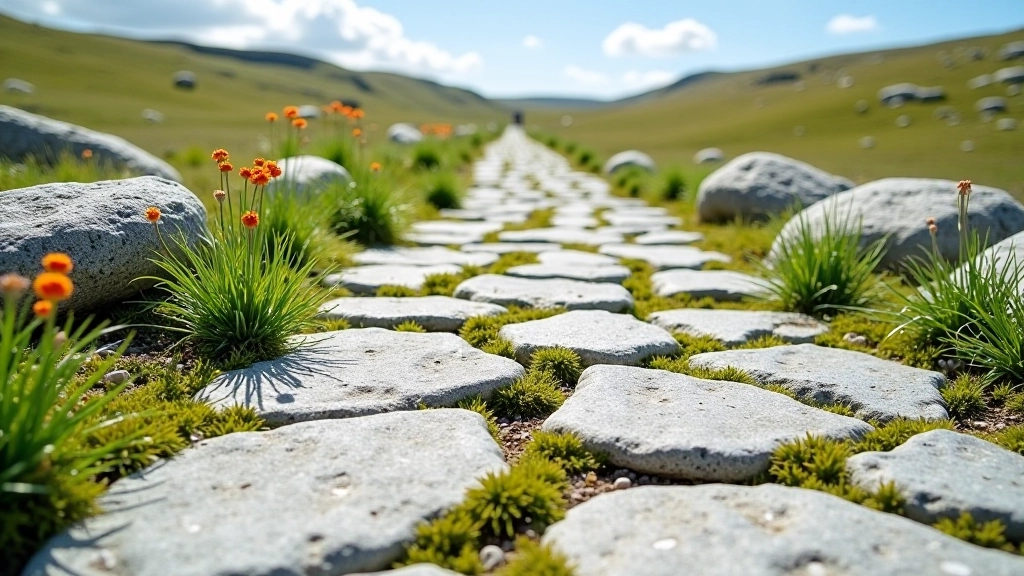
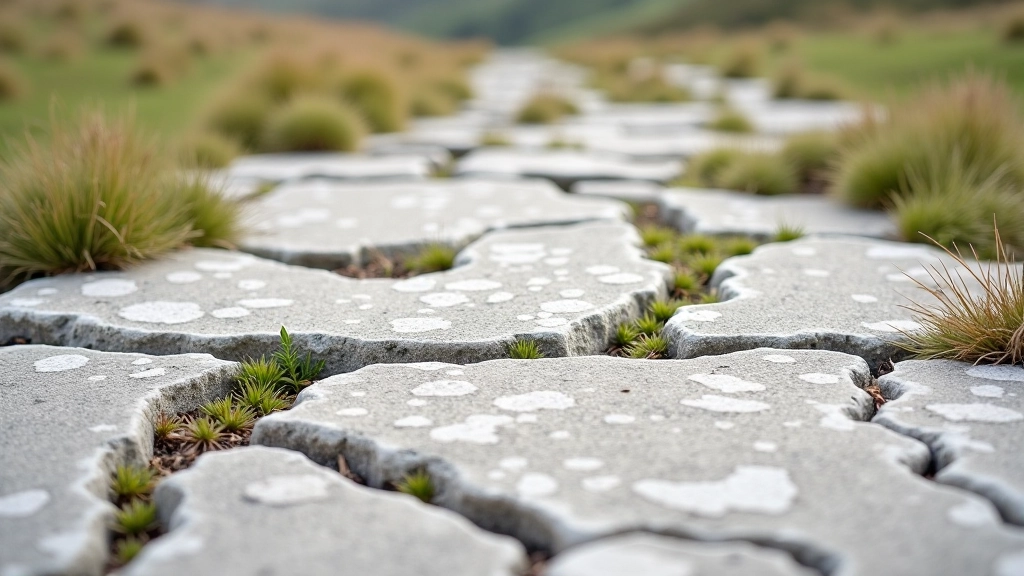
This is the iconic Burren surface — pale grey stone with deep cracks (grikes). It looks dramatic but requires careful foot placement. Wear sturdy shoes with good grip. The uneven surface tires legs faster than you'd expect, so shorter routes work better here.
Loose Stone
Small rocks that roll underfoot. Common on hillsides and rocky sections. Walking poles become genuinely useful here — they give you extra stability and reduce strain on knees. Take your time and watch your footing.
Farm Tracks
Wider, usually rutted paths used by local farmers. Often muddy or wet. They're easier on joints but can be boggy in wetter months. Good for steady, rhythmic walking.
How to Prepare Before You Go
Good preparation doesn't mean spending hours planning. It's about knowing the basics and having the right things with you.
What to Bring
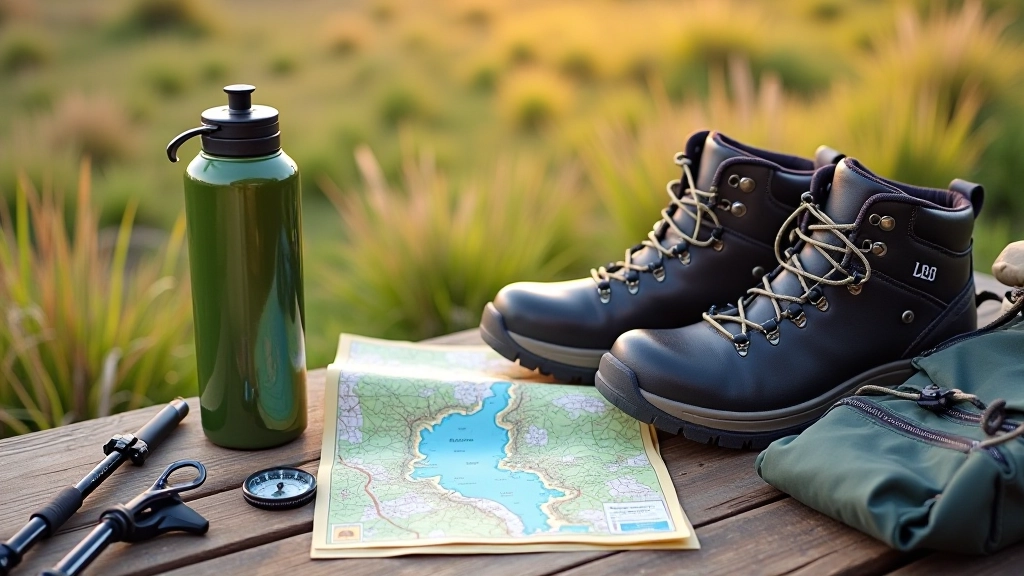
- Walking poles — Even if you don't think you need them, bring them. They're invaluable on uneven ground and take pressure off knees on descents. Lightweight trekking poles cost £30-60 and last for years.
- Good footwear — Not trainers. Proper hiking boots or trail shoes with ankle support and a firm sole grip the terrain better and prevent twisted ankles. Spend decent money here — your feet will thank you.
- Water and snacks — Carry at least 1.5 litres of water. Pack energy snacks: nuts, dried fruit, cereal bars. You'll feel better and walk longer if you stay hydrated and fuelled.
- Layered clothing — The Burren weather changes quickly. Start with a base layer, add a fleece, bring a windproof jacket. You can peel layers off as you warm up.
- Sun protection — There's little shade on the limestone. Sunscreen, a hat, and sunglasses aren't optional. The sun reflects off pale stone and burns faster than you'd expect.
Physical Preparation
You don't need to train like an athlete. But walking once or twice a week for 3-4 weeks before a longer route helps your body adapt. Start with familiar, easier walks to build confidence. Your legs will feel stronger, and you'll know what your actual fitness level is.
Practical Tips for Comfortable Walking
Small adjustments to how you walk and what you do during your route make a real difference to how you feel afterwards.
Take Breaks Before You Need Them
Don't wait until you're exhausted. Sit down every 20-30 minutes, have a drink, eat a small snack. You'll recover faster and enjoy the scenery more. Bring a lightweight camping mat or use a rock — whatever works for you.
Walk at Your Own Pace
Slow and steady genuinely wins. If you're out of breath or struggling, you're going too fast. Conversation pace is the right speed. You'll cover more distance and feel better if you're not pushing hard.
Use Your Poles Properly
Poles should reach to your wrist when standing with arms at your sides. On flat ground, they're there for balance. On descents, they do the work — lean on them and let your legs rest. It's not cheating; it's smart.
Know Your Route
Get a map or download a route onto your phone beforehand. Know roughly how long it should take and where the hardest sections are. This removes uncertainty and lets you plan your energy better.
Check the Weather
The Burren's exposed. Wind makes it feel colder and tires you faster. Rain on limestone makes it slippery. Look at the forecast the night before and adjust your route or timing if needed.
Walk with Others
There's no shame in preferring company. Walking with friends or a group is safer, more enjoyable, and keeps you motivated. Tell someone where you're going and when you'll be back.
Choosing Routes That Work for You
Not all walks are created equal. What matters is matching the route to your fitness and experience level, not your age.
Start with easier routes — places you can walk for 1-2 hours without strain. The Mullaghmore Loop is a classic beginner route: 4 miles, mostly on good paths, with incredible views. Once you've done that and felt good afterwards, you can try something slightly more demanding.
Real Talk: If you've done some regular walking but haven't walked on rough terrain before, plan to take a full day for a 3-mile limestone pavement route. You'll move slower on uneven ground, and that's completely normal. Your legs will adapt after 2-3 outings.
Pay attention to elevation gain, not just distance. A 2-mile route with 400 metres of climbing will tire you more than a 4-mile flat route. Maps show elevation profiles — use them.
Important Information
This article is educational and informational only. It's not medical advice. Before starting a new walking routine, especially if you have joint problems, heart conditions, or other health concerns, speak with your doctor or healthcare provider. They know your situation best and can give you specific guidance.
Walking conditions in the Burren vary with weather and season. Always check current conditions before heading out, tell someone where you're going, and turn back if you feel unwell or unsafe. The Burren's landscape is exposed — weather can change quickly.
Getting Started
Walking in the Burren doesn't require special skills or extreme fitness. It requires decent preparation, realistic expectations, and the willingness to go at your own pace. Most people are surprised by how much they enjoy it once they're out there.
Pick an easy route. Get the basics sorted — good boots, walking poles, water. Go out and try it. You'll learn more from one actual walk than from reading guides. And once you've done your first route comfortably, you'll have the confidence to explore further.
The Burren's been here for thousands of years. It'll be there when you're ready.
Want More Specific Route Information?
We've created detailed guides for specific walks in the area. Check out the Mullaghmore Loop guide or learn about seasonal turloughs before you visit.

Related Guides